
How to Use ViaBTC Crypto Wallet for Safe Crypto Transfers?
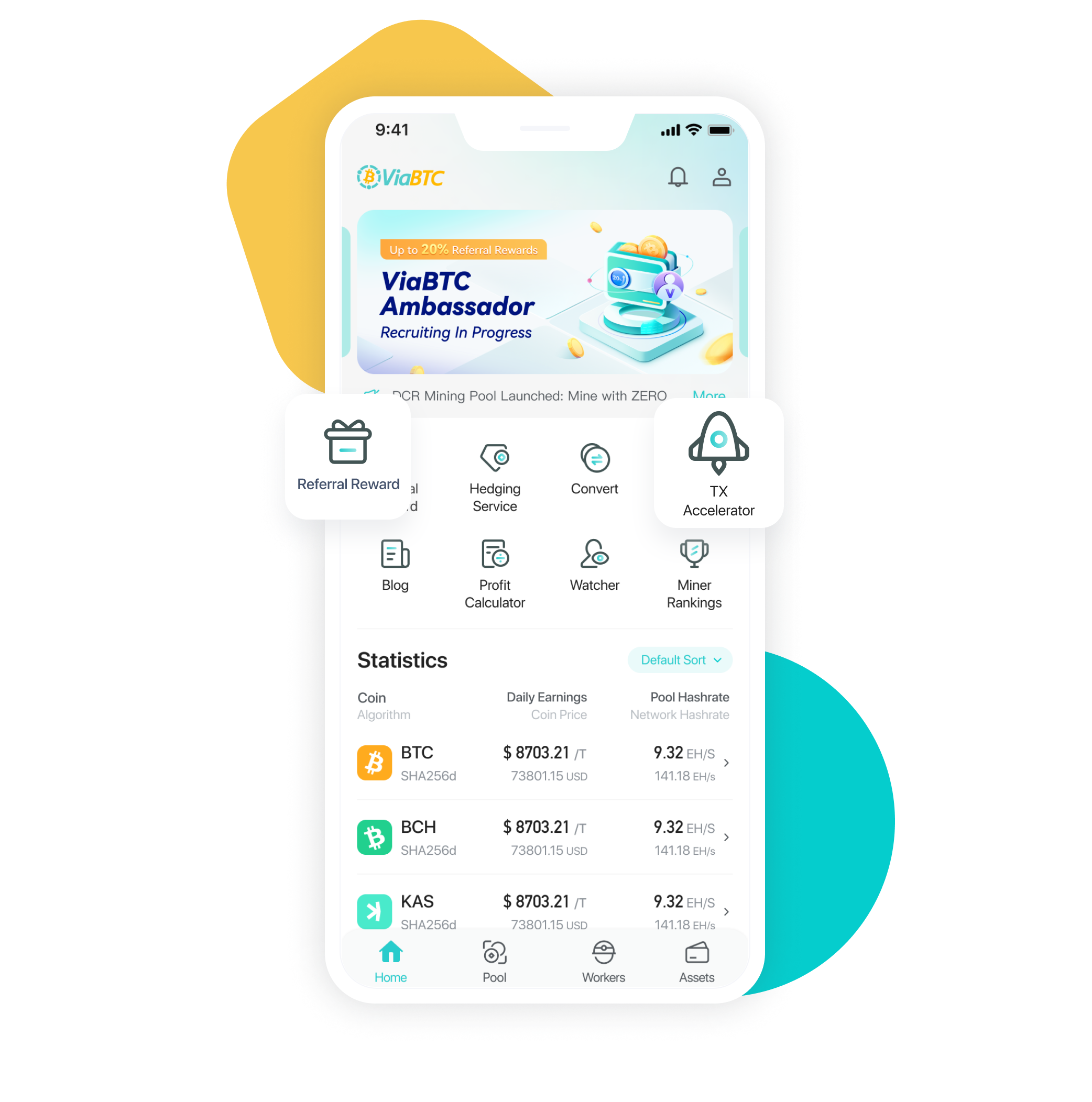
ViaBTC Crypto Wallet allows users to complete safer crypto transfers by combining address verification, network selection, transaction review, and wallet security practices. A secure transfer process can reduce common mistakes such as sending assets to wrong addresses or selecting incompatible networks. With Bitcoin processing more than 500,000 transactions in some high-activity periods and blockchain transfers becoming irreversible after confirmation, users need a clear workflow before approving payments.
Cryptocurrency transfers require more attention than traditional payment methods because blockchain transactions are designed to be final. Once a transaction receives network confirmation, reversing it is usually impossible. Data from blockchain security reports shows that billions of dollars in digital assets have been affected by unauthorized access and user mistakes since 2017. Using a structured wallet process helps users manage addresses, fees, and transaction confirmations more carefully.
A crypto wallet does not move funds by itself. It provides the interface for users to authorize blockchain transactions through private access control.
Before transferring assets, users should prepare their wallet environment. Creating a wallet requires setting account protection methods, storing recovery information securely, and confirming that the wallet application comes from a reliable source. Recovery phrases normally contain 12 or 24 words, and anyone who obtains them can potentially access the related assets. In a 2023 security review of cryptocurrency incidents, phishing and credential theft remained among the most common attack methods.
A properly prepared wallet reduces unnecessary risks during daily transfers. Users can access ViaBTC Crypto Wallet to manage crypto assets and review transfer-related functions before sending funds. The wallet setup process should include password protection, recovery phrase backup, and device security checks.
The transfer process usually follows several steps, and each step affects transaction safety:
| Transfer Step | User Operation | Main Check |
|---|---|---|
| 1 | Select the cryptocurrency asset | Confirm coin type and balance |
| 2 | Enter the receiving address | Compare address characters |
| 3 | Select blockchain network | Match sender and receiver networks |
| 4 | Review amount and transaction fee | Confirm payment details |
| 5 | Approve transaction | Complete final verification |
Wallet address accuracy requires special attention because blockchain addresses are long combinations of letters and numbers. Bitcoin addresses may contain more than 25 characters, while some other networks use longer formats. A small typing mistake can send funds to an unavailable address. Many experienced users verify the first and last 5 to 8 characters of an address before approval.
Address management also becomes more important when users frequently transfer assets. Maintaining saved addresses for trusted recipients can reduce repeated manual input, but users should still verify stored information before large transfers. A common practice in professional cryptocurrency operations is sending a small test transaction first, such as 1% or less of the total amount, before completing a larger transfer.
Network selection is another area where users need careful verification. Different cryptocurrencies may operate on separate blockchain networks, and some assets support multiple networks. For example, stablecoins can exist on several blockchain systems with different transaction fees and confirmation processes. Selecting the wrong network may create delays or require additional recovery procedures.
Before confirming a transfer, check three details: the receiving address, blockchain network, and final amount.
Transaction fees are determined by network conditions rather than only by wallet applications. Bitcoin fees changed significantly during periods of high network activity, especially after events such as the 2021 market expansion and the 2024 Bitcoin halving. Users should review estimated fees before approval because a higher fee may provide faster confirmation while a lower fee may require more waiting time.
Transaction confirmation speed depends on blockchain design. Bitcoin blocks are generated approximately every 10 minutes, while other networks may confirm transactions within seconds. A wallet user should understand that a transfer showing as submitted does not always mean the recipient has received usable funds immediately.
Security protection continues after the transaction is completed. Users should regularly review wallet activity, remove unknown connected services, and avoid entering wallet information on unofficial websites. According to blockchain security research covering incidents from 2020 to 2023, social engineering attacks represented a significant portion of reported cryptocurrency losses because attackers often targeted users rather than blockchain technology itself.
Device protection also affects wallet safety. Using updated operating systems, enabling screen locks, and avoiding public computers for wallet access can reduce exposure. For larger holdings, many users separate long-term storage from daily transaction wallets. This approach limits the amount of assets available in frequently used accounts.
| Security Practice | Recommended Frequency |
|---|---|
| Check wallet activity | Weekly or after major transfers |
| Update wallet software | When official updates are released |
| Review saved addresses | Before large transactions |
| Verify recovery backup | Periodically |
Users who manage multiple transactions should create consistent transfer habits. Keeping records of transaction IDs, dates, amounts, and recipient addresses helps review past activity. Blockchain explorers allow users to check transaction status because every confirmed transaction is publicly recorded on the network.
Privacy management is also part of responsible crypto usage. Blockchain transactions are transparent, meaning wallet addresses and transaction histories can be viewed publicly. However, users should avoid sharing unnecessary wallet details online because address activity can reveal information about asset movement patterns.
A secure crypto transfer process combines technology and user verification. Wallet functions can provide transaction tools, but users still need to confirm every important detail before approval. Since blockchain systems prioritize irreversible settlement, careful review before sending remains necessary for both individual users and businesses.
With wider adoption of digital assets after 2020, wallet management has become a regular financial activity for millions of users worldwide. Following structured transfer procedures, protecting recovery information, and reviewing transaction details can help users manage crypto assets more safely across different blockchain networks.
Çeviriniz 60 saniyede fiyatlanır, aynı gün kapınızda.
Noter tasdik, apostil ve konsolosluk onayı tek platformda. 81 dilde, 7/24.